
Total: ₹ 0.00
Taxes and shipping calculated at checkout


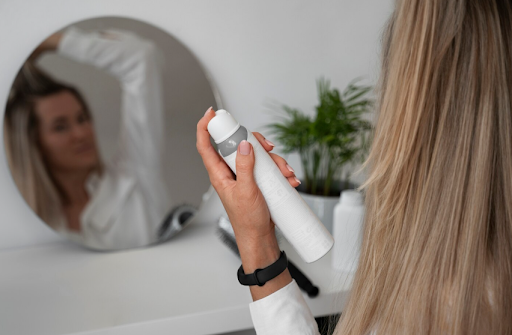
Natural wavy hair has its own personality, and honestly sometimes it feels like it changes its mind every day. It is not straight, not curly, not really either one. Some days it looks soft and nice, other days it looks frizzy, flat, dry, and oily all at the same time which is confusing.
In the morning waves can look good and defined, then later in the day they just disappear or puff up for no clear reason. This is why people with wavy hair often feel like their hair is hard to manage, even though it actually has nice texture and movement.
Most people who search for the best products for wavy hair just want answers. They want to know what works, what doesn’t, and how to stop wasting money on things that don’t help. They usually want a simple routine that keeps hair looking decent without making it greasy or heavy.
This guide tries to explain things step by step, from washing to styling, in a simple way. No confusing hair words, no crazy routines, just basic habits and product choices.
Wavy hair is in the middle of straight and curly hair. So it gets problems from both sides.
It can lose moisture easily like curly hair. But it can also get weighed down like straight hair. So it’s kind of stuck in between and never fully happy.
Common problems include:
The right products help balance things. The wrong ones either dry hair out or make it heavy and messy.
Picking good products is not about trends. It is about what waves actually need.
Shampoo starts everything. If it is too strong, hair becomes dry and frizzy right away. If it is too creamy or heavy, hair already looks greasy after washing.
Wavy hair usually prefers gentle shampoos that clean the scalp but don’t remove all oils.
Good shampoos usually:
Many people like sulfate free shampoos, especially if they wash often. Clarifying shampoos are useful sometimes, but not every day. Using them too much dries hair out.
There is no perfect wash schedule. Some people wash twice a week. Some more. Some less. It depends on how your hair feels.
The conditioner puts moisture back in after shampoo. It makes hair softer and easier to deal with. Skipping it usually leads to frizz and rough ends.
Even if roots feel oily, ends still need help.
Put the conditioner mostly on the middle and ends. Don’t dump it on your scalp.
Leave it for a bit. Don’t rinse immediately. But also don’t leave it forever.
Rinse well. Leftover conditioner makes hair flat.
Light conditioners usually work better for wavy hair.
Shampoo and conditioner are basic. But wavy hair often needs more.
Leave-in products help keep moisture, reduce frizz, and make styling easier.
You don’t need a lot. A small amount is enough most of the time.
Masks help when hair feels dry or tired. Using them once in a while makes hair softer.
But using them too much makes hair heavy and lifeless. So don’t overdo it.
Without styling products, wavy hair usually dries however it wants. Different directions, weird shapes, lots of frizz.
Styling products help guide hair and make waves stay longer.
The point is not perfect hair. It is less chaotic.
Light Creams and Lotions
Help smooth hair without stiffness.
Mousse and Foams
Give volume and light hold. Very popular for waves.
Soft Gels
Help waves last longer, especially in humidity. Must be flexible, not crunchy.
Using too much product is a big mistake. More is usually worse.
Many people prefer air drying. It is easier and causes less damage.
Put products on damp hair, not soaking wet.
If you blow dry, use low heat and a diffuser. High heat = frizz.
Always use a heat protector.
Normal towels are rough. They damage hair.
Use soft towels or cotton shirts.
Don’t rub hair hard. Squeeze gently.
Touching hair too much while drying messes up waves.
Light oils and serums can:
Heavy oils = greasy hair fast.
Use tiny amount. Mostly on ends.
A simple routine looks like this:
Simple works better than complicated.
Makes waves flat.
Build up and greasy look.
Ends still need hydration.
Small things change hair:
Changing small habits helps a lot.
Look for:
The best products are not always expensive or trendy. They just work.
Wavy hair does not need fighting. It needs support.
With decent products and simple habits, waves become easier to manage over time.
Consistency matters more than perfection. Stop changing everything every week.
At Dione UK, we try to make salon-quality haircare that works for real life. Our products focus on balance, moisture without heaviness, shape without stiffness, and routines that people can actually keep up with.
Because when wavy hair is treated properly, it doesn’t need controlling. It just falls into place on its own.

There is retention and breakage. Retention is what's not happening. Women tend not to discuss retention when talking about slow...

You think curl cream should work. Isn't that what the tutorials show? Isn't that what the packaging says? What about...

You are doing everything right. Or at least everything the label tells you to do. You used the top hair products...
