

Cart
0
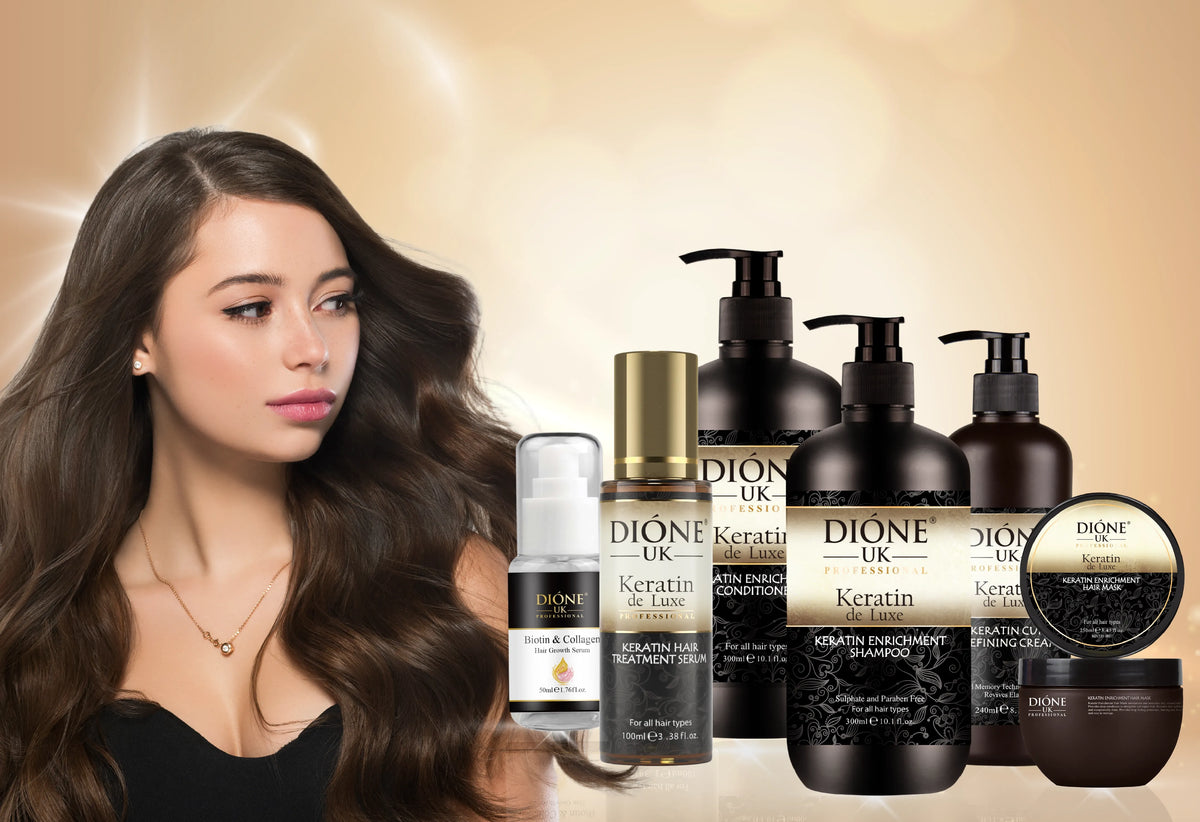
Choosing the right hair shampoo and conditioner sounds simple until you’re actually standing in front of a shelf filled with hundreds of bottles staring back at you like they all have something life-changing to offer. Every brand promises miracles. Every label claims it’s “just what your hair needs.” And you’re left there thinking, okay but how do I actually know?
Let’s strip it all back and get real.
Because if you’ve ever wondered why the expensive product you bought didn’t make any difference, or why one formula makes your hair look incredible while another leaves it flat, dull, or greasy, it’s not random. It’s not bad luck either. It’s just that most people never actually learn what their hair needs.
And yes, your hair has needs. Specific ones.
So let’s break it down in a way that doesn’t feel like reading a science manual but still gives you a proper, professional-level understanding. If you’ve ever wanted to finally get how to choose the right products, this is it.
First Things: You Need to Know Your Hair (Properly)
Here’s where the mistakes usually begin.
People think they know their hair type because they’ve lived with it their whole lives. But no most people are way off when it comes to understanding their hair.
They think:
-
“My hair is dry,” when the scalp is actually oily.
-
“My hair is damaged” when it’s just dehydrated.
-
“I need more conditioners,” when they actually need protein.
And that’s how the wrong product ends up in your shower.
Let’s fix that.
1. Hair Thickness — The Foundation
This is not about how much hair you have. It’s about the size of each individual strand. If you zoomed in, you’d see major differences.
Fine Hair
-
Lightweight
-
Gets oily fast
-
Easily weighed down
-
Doesn’t hold volume
Medium Hair
-
Balanced
-
Holds style reasonably well
-
Not too delicate, not too heavy
Thick/Coarse Hair
-
Larger strand diameter
-
Needs more moisture
-
Can feel rough if under-conditioned
-
Prone to frizz
Thickness determines how heavy or light your hair shampoo and conditioner should be.
Already, this eliminates half the products on the shelf for you.
2. Hair Texture — How Your Hair Behaves Naturally
Texture is often misunderstood, but it’s a big deal because it affects moisture retention and how the product travels down the strand.
Straight Hair
Oil travels down quickly → gets greasy fast.
Needs lightweight formulas.
Wavy Hair
Prone to frizz and imbalance.
Needs moderate moisture and definition.
Curly Hair
Naturally dry because oils don’t travel down the bends.
Needs gentle cleansing and intense conditioning.
Coily Hair
The driest and most fragile.
Needs deep moisture and protective conditioning.
If you choose products without respecting texture, you’ll always end up disappointed.
3. Porosity — The Real Secret No One Talks About
This might be the single most overlooked concept in haircare.
Porosity = how well your hair absorbs and holds moisture.
Low Porosity
-
Water beads on the surface
-
Products sit on top
-
Needs lightweight formulas + heat for product penetration
Medium Porosity
-
Balanced moisture absorption
-
Easiest hair type to maintain
High Porosity
-
Absorbs moisture quickly
-
Loses moisture just as fast
-
Needs sealing oils + richer conditioners
Knowing your porosity can change your entire routine instantly.
4. Scalp Type — The Starting Point Most People Ignore
People obsess over their ends but forget that healthy hair begins at the scalp. Think of it like soil for plants. If the soil is off-balance, the plant struggles.
Scalp Types:
-
Oily
-
Dry
-
Sensitive
-
Flaky
-
Balanced
Your scalp type determines the shampoo you should use.
Your lengths determine the conditioner.
Different roles. Different needs.
Next: Matching the Right Shampoo and Conditioner to Your Hair Type
Now we can finally talk about products but intelligently this time.
For Oily Hair
If your hair feels greasy within 24–48 hours, this section is for you.
You need:
-
Clarifying or balancing shampoos
-
Lightweight formulas
-
Scalp-focused ingredients (like tea tree, rosemary, or salicylic acid)
Important:
Do NOT put conditioner on your scalp.
Only mid-length to ends.
Shampoo cleans.
Conditioner protects.
They are not interchangeable.
For Dry Hair
Dry hair isn’t damaged hair.
Dry hair simply needs moisture, true moisture.
Look for:
-
Creamy, hydrating shampoos
-
Humectants like glycerin + aloe
-
Nourishing oils in conditioners (argan, jojoba, macadamia)
Avoid strong clarifiers unless necessary.
Dry hair needs softness, not stripping.
For Fine Hair
Fine hair is picky. It wants lift, not weight.
Choose:
-
Volumizing shampoos
-
Lightweight conditioners
-
Non-greasy formulas
Avoid heavy butters or oils.
Avoid “repair” masks unless hair is damaged.
Fine hair needs breathing room.
For Thick or Coarse Hair
This hair type is bold, but thirsty.
It needs:
-
Rich, moisturizing shampoos
-
Deep conditioners
-
Ingredients like shea, cocoa, avocado, or argan
Thick hair loves oils.
Thick hair loves slipping.
Thick hair loves nourishment.
Don’t be afraid of heavier formulas.
For Curly & Coily Hair
Curly hair is a world of its own.
It requires:
-
Sulfate-free shampoos
-
High-slip conditioners
-
Moisture-dense formulas
-
Leave-ins for daily hydration
Curly hair thrives with hydration layering.
Let’s Decode Ingredients (Without the Overwhelm)
You don’t need to memorize every chemical name but you should know what actually matters.
Ingredients That Help
Hydration:
Strength (Protein):
-
Hydrolyzed keratin
-
Silk protein
-
Wheat protein
Nourishment:
-
Shea butter
These support the hair at different levels of moisture, strength, and softness.
Ingredients to Be Cautious About
No fearmongering, just honesty.
Harsh Sulfates
Great cleansers, but too strong for daily use if your hair is dry or curly.
Heavy Waxes & Non-Water-Soluble Silicones
Can causea build-up over time.
Strong Fragrances
A problem for sensitive scalps.
Balance is key, not extremes.
The Technique Matters More Than You Think
People often blame the product when the technique was the real issue.
Proper Shampoo Technique:
-
Focus on the scalp
-
Massage for 60 seconds
-
Don’t pile hair on top of your head
-
Rinse thoroughly
Proper Conditioner Technique:
-
Apply mid-length to ends
-
Use a wide-tooth comb
-
Leave for at least 2–4 minutes
-
Rinse with cool water
Small changes, big improvements.
How Often Should You Wash?
Let’s simplify:
Oily scalp:
Every 1–2 days
Normal scalp:
Every 2–3 days
Dry or curly hair:
Once a week
Listen to your scalp, not a fixed rule.
How to Know If a Product Is Working
Don’t guess. Monitor.
Do this:
-
Use the same routine for 14 days
-
Observe changes
-
Take photos
-
Pay attention to scalp comfort
-
Notice shine and volume
Consistency reveals results.
Common Haircare Mistakes to Avoid
Let’s call these out clearly.
Mistake #1: Using too much conditioner
More is not more.
Mistake #2: Applying conditioner to the scalp
Instant buildup.
Mistake #3: Rinsing too fast
Conditioner needs time.
Mistake #4: Switching products constantly
Hair needs stability.
Mistake #5: Using heavy oils on fine hair
It collapses volume instantly.
At DioneUK, we don’t guess, and we don’t rush formulas.
We study hair. We test. We refine. We improve.
Every product we create, whether it’s a hair shampoo and conditioner, a treatment, or a styling formula, is designed around what hair actually needs, not what trends dictate. We believe in clean, effective, research-backed ingredients that respect the natural structure of your hair and scalp.
We care about healthy routines.
We care about long-term results.
We care about giving you knowledge, not confusion.
Because when you understand your hair, you choose better.
And when you choose better, your hair thrives.
And that’s exactly what we want for you.
FAQs
1. Should I buy matching shampoo and conditioner?
It helps, formulas are designed to complement each other.
2. Is sulfate-free automatically better?
Not always. Depends on your scalp and hair type.
3. Can conditioner cause hair fall?
Not directly, buildup or wrong usage can.
4. How do I know if my hair needs protein?
If it’s stretchy, weak, or breaking, it needs protein.
5. How long shouldthe conditioner stay in?
2–4 minutes is ideal.
6. Can fine hair skip conditioner?
No, just use lightweight formulas on ends only.
7. Should curly hair avoid brushes?
Mostly yes, use wide-tooth combs with conditioner.


